Introduction to Loose Diamonds
Loose diamonds, the epitome of elegance and value, are highly sought after by both collectors and individuals looking to create custom jewelry. Unlike preset stones, loose diamonds offer flexibility and freedom, allowing for a personalized touch in any piece of jewelry. This guide delves into the intricacies of loose diamonds, covering everything from the Four Cs to purchasing tips.
Understanding the 4 C’s of Loose Diamonds
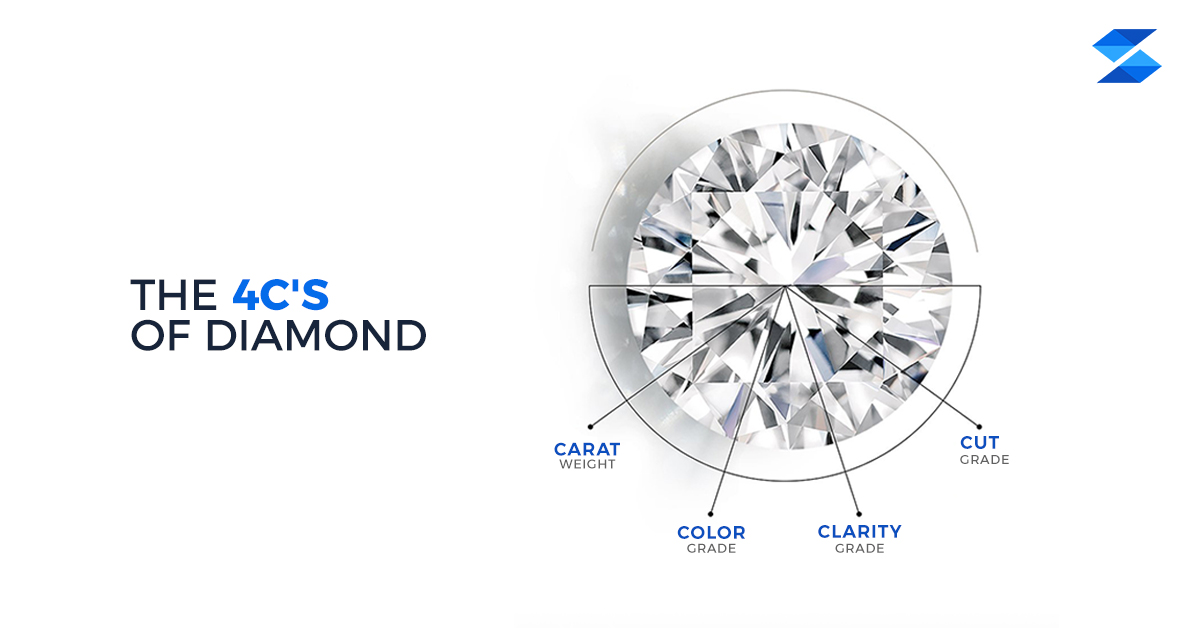
Carat Weight
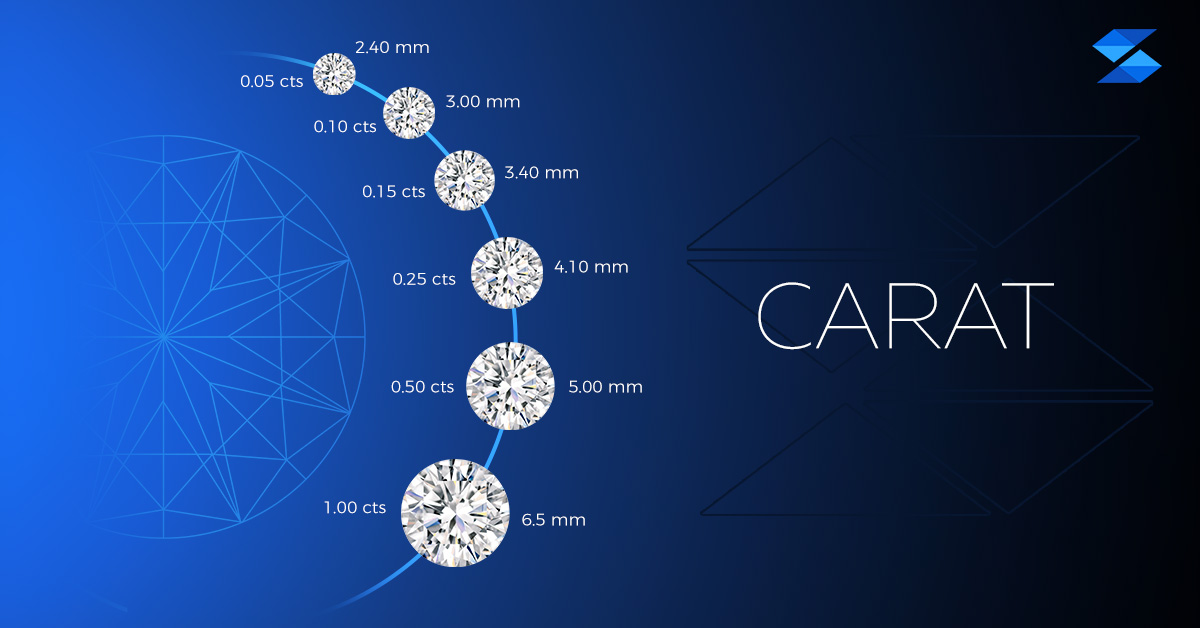
Carat weight is one of the most straightforward yet crucial aspects of a diamond. It refers to the diamond’s mass, with one carat equaling 200 milligrams. Higher carat weight often equates to a more valuable diamond, though other factors also play significant roles in determining value.
Cut Quality

The cut of a diamond significantly influences its brilliance and overall appearance. It refers not only to the shape of the diamond but also to the quality of the cut, which affects how light interacts with the stone. Key cut grades include:
- Excellent: Reflects almost all light that enters the diamond.
- Very Good: Reflects most light.
- Good: Reflects a significant amount of light.
- Fair: Some light escapes.
- Poor: Most light escapes from the bottom and sides.
Color Grade

Diamond color grading ranges from D (colorless) to Z (light yellow or brown). Colorless diamonds are the most sought after, as they allow the most light to pass through, enhancing brilliance.
Clarity Grade
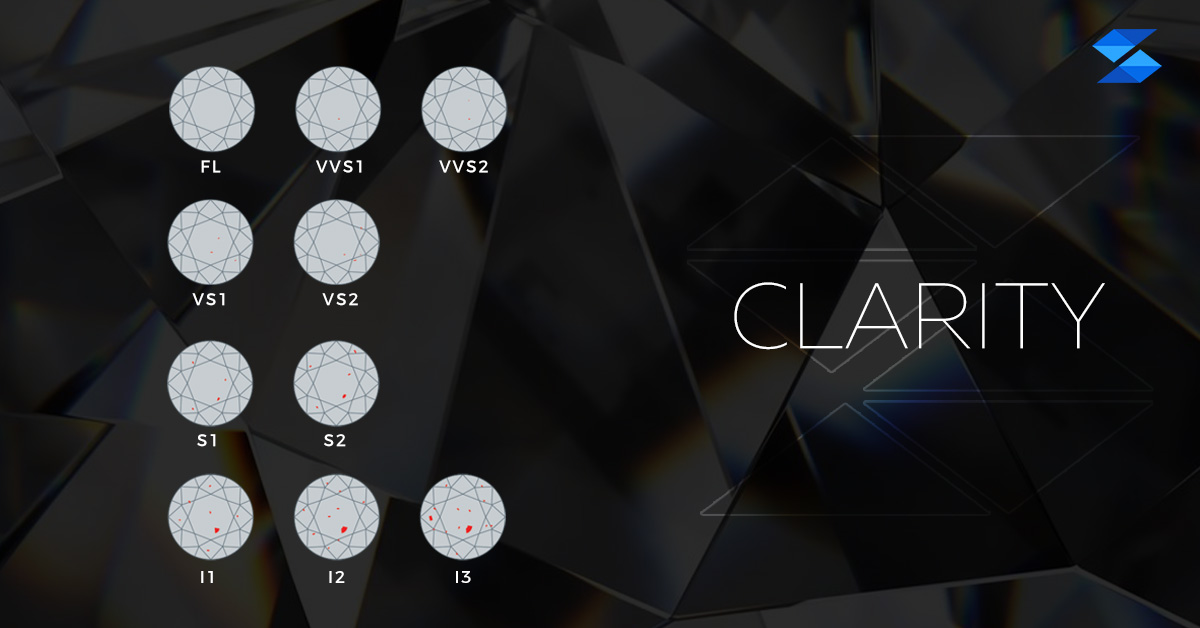
Clarity measures the presence of internal and external flaws, known as inclusions and blemishes. Clarity grades include:
- FL (Flawless): No inclusions or blemishes visible under 10x magnification.
- IF (Internally Flawless): No inclusions, only blemishes visible under 10x magnification.
- VVS1 and VVS2 (Very, Very Slightly Included): Inclusions are difficult to detect under 10x magnification.
- VS1 and VS2 (Very Slightly Included): Minor inclusions visible under 10x magnification.
- SI1 and SI2 (Slightly Included): Noticeable inclusions under 10x magnification.
- I1, I2, and I3 (Included): Inclusions visible to the naked eye.
Popular Shapes of Loose Diamonds
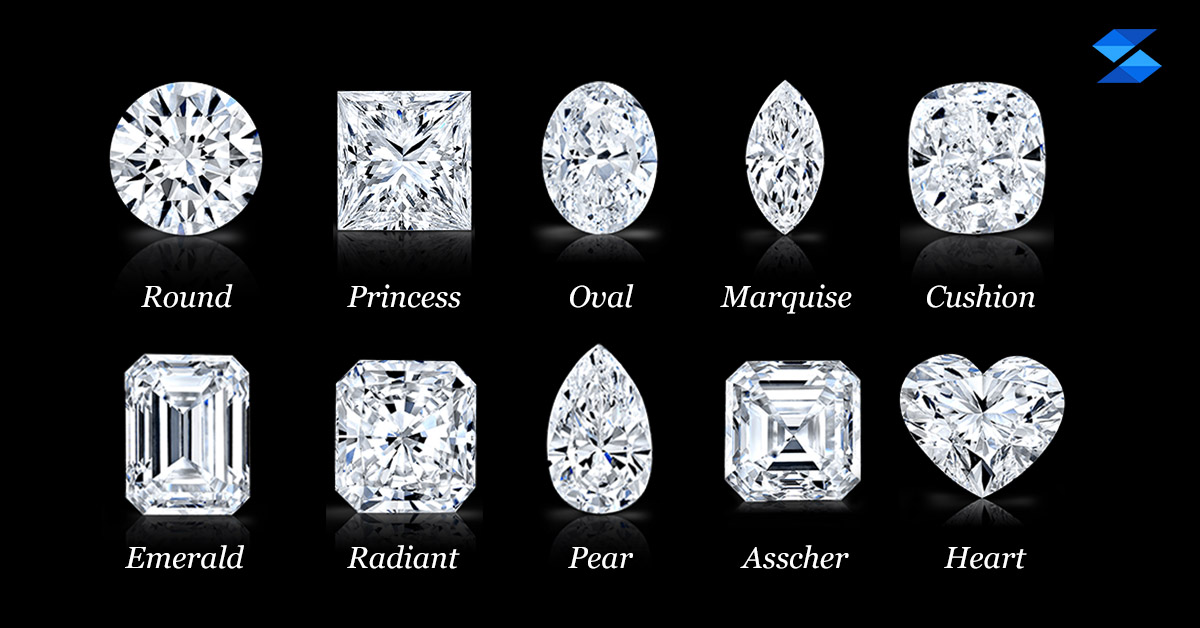
Round Brilliant
The round brilliant cut is the most popular and well-known diamond shape, offering maximum brilliance due to its ideal light reflection properties.
Princess Cut
Princess cut diamonds are favored for their contemporary, angular look, combining a square or rectangular shape with a brilliant cut for exceptional sparkle.
Emerald Cut
Emerald cut diamonds feature a rectangular shape with step cuts, offering a unique optical appearance with long lines and dramatic flashes of light.
Oval Cut
Oval cut diamonds provide a distinctive look with their elongated shape, enhancing the perceived carat weight and brilliance.
Marquise Cut
The marquise cut diamond, with its elongated shape and pointed ends, maximizes carat weight and creates a striking, elongated look.
Cushion Cut
Cushion cut diamonds, known for their rounded corners and larger facets, offer a classic, vintage appeal with a modern twist.
How to Buy Loose Diamonds
Certification and Grading Reports
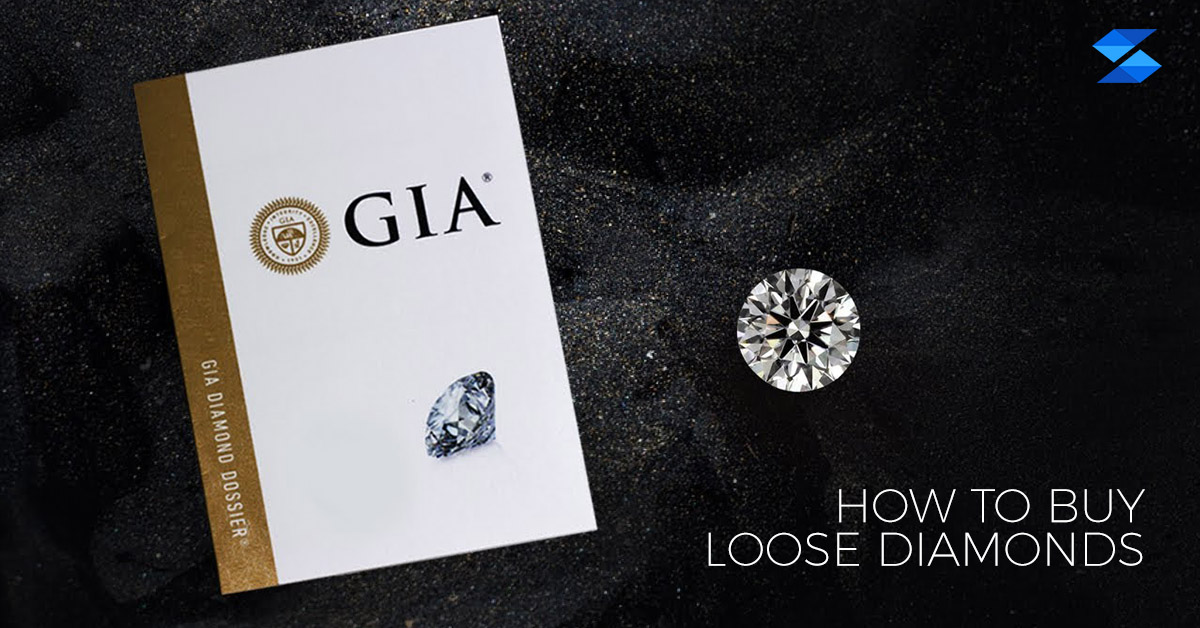
Ensure that the loose diamond you purchase comes with a grading report from a reputable gemological laboratory such as the GIA (Gemological Institute of America) or AGS (American Gem Society). These reports provide an unbiased assessment of the diamond’s quality based on the Four Cs.
Budget Considerations
Determine your budget before beginning your search. This helps narrow down options and ensures that you find a diamond that meets both your quality standards and financial constraints.
Evaluating Cut, Color, and Clarity
Prioritize the cut, as it has the most significant impact on a diamond’s beauty. Balance the color and clarity to maximize value while maintaining visual appeal. For instance, a slightly lower color grade can still appear colorless to the naked eye, and minor inclusions may be invisible without magnification.
Comparing Prices
Compare prices across multiple vendors to ensure you’re getting the best deal. Look for retailers with transparent pricing and high customer satisfaction ratings.
Visual Inspection
Whenever possible, inspect the diamond in person or request high-resolution images and videos. This allows you to see the diamond’s brilliance and any inclusions firsthand.
Benefits of Purchasing Loose Diamonds
Customization
Loose diamonds provide unparalleled customization options. They can be set into any type of jewelry, from engagement rings to necklaces, tailored to personal preferences.
Investment Potential
High-quality loose diamonds can be a valuable investment. Their rarity and desirability often result in long-term value appreciation.
Quality Assurance
Buying a certified loose diamond ensures that you know exactly what you are purchasing. Certification guarantees the diamond’s authenticity and quality.
Common Myths About Loose Diamonds
Myth 1: Bigger is Always Better
While carat weight is important, the overall quality, including cut, color, and clarity, plays a more significant role in a diamond’s beauty and value.
Myth 2: All Certifications are Equal
Not all certifications are created equal. Opt for diamonds certified by well-respected laboratories like GIA or AGS for the most accurate and trustworthy grading.
Myth 3: Flawless Diamonds are Perfect
Flawless diamonds are rare and expensive, but diamonds with slight inclusions can be equally stunning and more affordable, especially when imperfections are not visible to the naked eye.
Conclusion
Loose diamonds offer unmatched flexibility and value, making them an excellent choice for those seeking to create personalized, high-quality jewelry. By understanding the Four Cs and knowing how to evaluate and purchase loose diamonds, you can make an informed decision and invest in a gemstone that will bring lasting beauty and joy.